
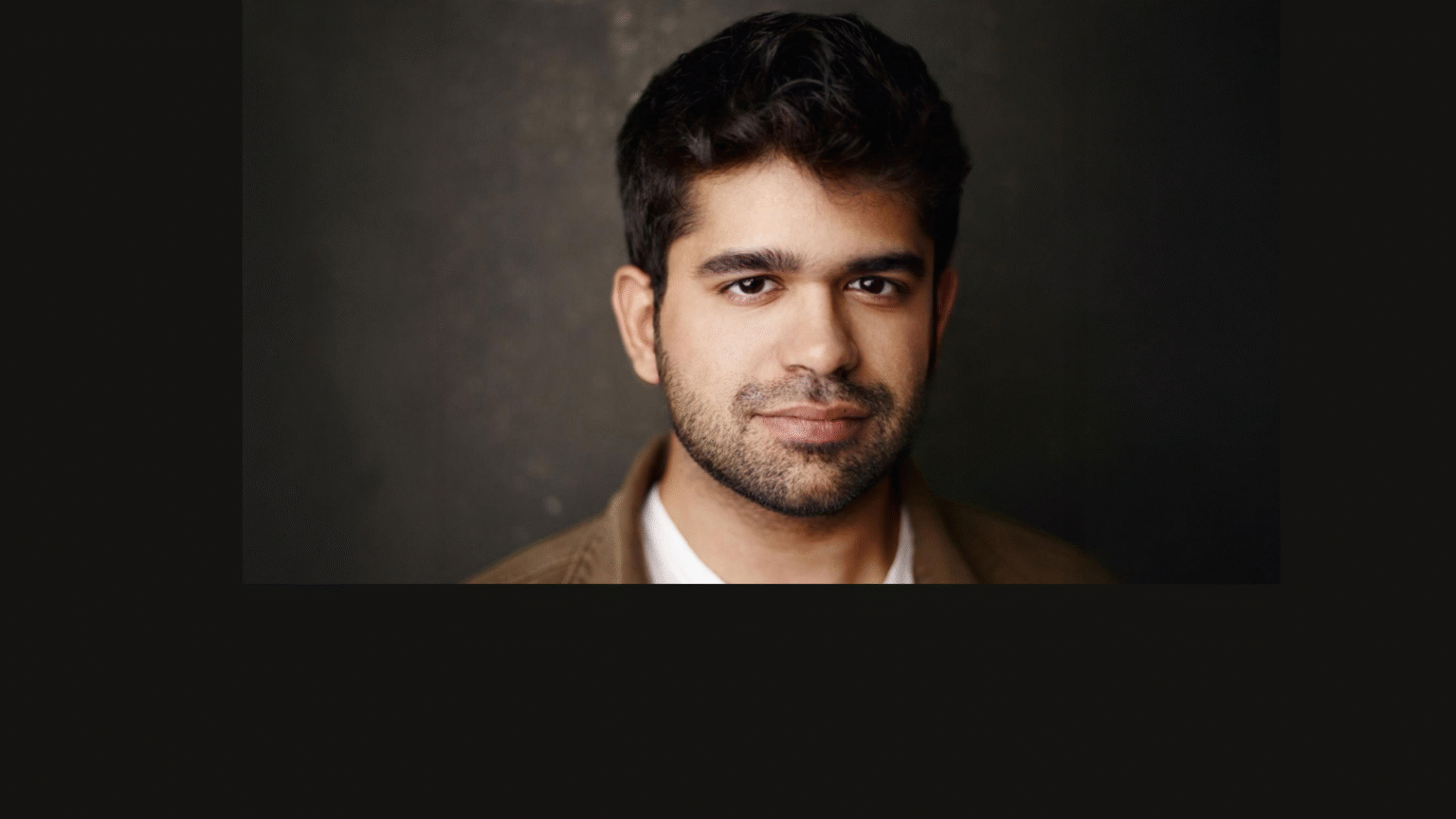

In a dramatic assertion that has echoed talks around the world of technology, Aravind Srinivas, an Indian-origin CEO and co-founder of Perplexity AI, recently wrote that “the internet is too important to be left in Google’s hands.” His statements, made at the unveiling of Perplexity’s new AI search browser “Comet,” represent a turning point in the emerging trend toward decentralizing digital information and breaking up Google’s three-decade grip on internet searches.
Srinivas’s words are not just confident but demonstrate a profound awareness of the shifting technological and societal dynamics of the net. Google has been the gateway to the world’s information for more than two decades — determining how billions of individuals interact with data, make decisions, and engage with online materials. But as artificial intelligence transforms the way we get information, Srinivas and his firm are advocating for a change of paradigm — moving away from existing search paradigms towards AI-facilitated discovery and contextual insight.
The Rise of Perplexity AI
Established in 2022, Perplexity AI has rapidly emerged as a leading AI search startup in Silicon Valley. Formed on the philosophy of delivering clear, conversational, and source-supported answers, the site has emerged as a viable alternative to the frequently opaque algorithms of the big tech search engines. In contrast to Google’s keyword-based ranking algorithm, Perplexity emphasizes citation-supported responses, enabling users to perceive the sources of information and participate in a dialogue-like experience.
With Srinivas at the helm, the organization has seen tremendous growth with significant investments from industry giants such as Nvidia, Jeff Bezos, and Databricks. Having millions of users each month and collaborations with AI research organizations, Perplexity’s ascension represents a deeper trend toward more open and user-oriented digital environments.
The Launch of “Comet”: A New Kind of Browser
Perplexity’s launch of the Comet browser, based on Chromium, is the firm’s most ambitious step so far. Committed to putting AI natively into the browsing experience, Comet seeks to revolutionize how users search, discover, and learn online. Instead of presenting endless lists of links, the interface of the browser focuses on summarized, cited answers and context-specific recommendations that are adapted to user intent.
Srinivas explains Comet as a move toward “rebuilding the web experience from first principles.” It defies the conventional belief that information needs to be monetized predominantly via advertising and engagement metrics. Perplexity’s model, on the contrary, is focused on utility, accuracy, and user trust — domains in which numerous people believe Google’s ecosystem has depleted gradually.
Challenging the Tech Status Quo
Srinivas’s criticism of Google is not just a competitive shot; it is also a sign of increasing disillusionment within the technology community regarding centralization of information power. Google has developed over the years from a search engine into a massive ecosystem with domination of advertising, analytics, maps, email, and cloud infrastructure. The critics claim that such concentration of control chokes off innovation, constrains user choice, and influences public thinking in ways that may not always be transparent.
By contrast, Srinivas advocates for a pluralistic internet — one where knowledge and discovery are democratized through AI tools that prioritize openness and authenticity. His vision aligns with the broader “AI search revolution” that includes players like OpenAI’s ChatGPT, Anthropic’s Claude, and startups experimenting with retrieval-augmented generation (RAG) systems.
The Indian-Origin Leadership Edge
Aravind Srinivas’s path from Chennai to Silicon Valley is also a testament to the rising force of Indian-origin leaders in international technology. Having graduated from IIT Madras and subsequently finishing his PhD at UC Berkeley, Srinivas brings technical depth with a people-centric philosophy of design. His ascension is a repeat of the others of Indian origin — Sundar Pichai at Google, Satya Nadella at Microsoft, and Arvind Krishna at IBM — with a twist: he is now one of the challengers, not the incumbent.
This transformation represents a new chapter in India’s role in the world tech story. Indian business leaders are not merely leading the world’s largest tech corporations; they are reshaping them. Srinivas’s challenge to Google heralds the confidence of a new generation of entrepreneurs who will not hesitate to question existing frameworks with revolutionary alternatives.
Toward a Freer Internet
As AI transforms how knowledge is created and consumed, the question of who controls access to information becomes more crucial than ever. Srinivas’s statement serves as both a warning and a call to action: if the internet remains monopolized by a few tech giants, its potential for openness, creativity, and truth may diminish.
Perplexity’s vision of a clear, AI-powered search horizon brings hope for a compelling alternative — one where technology enhances human knowledge instead of controlling it. Whether or not the firm can actually unseat Google is uncertain, but this is certain: Aravind Srinivas has put the question of what the internet ought to be — and whom it ought to serve — back on the agenda.




