
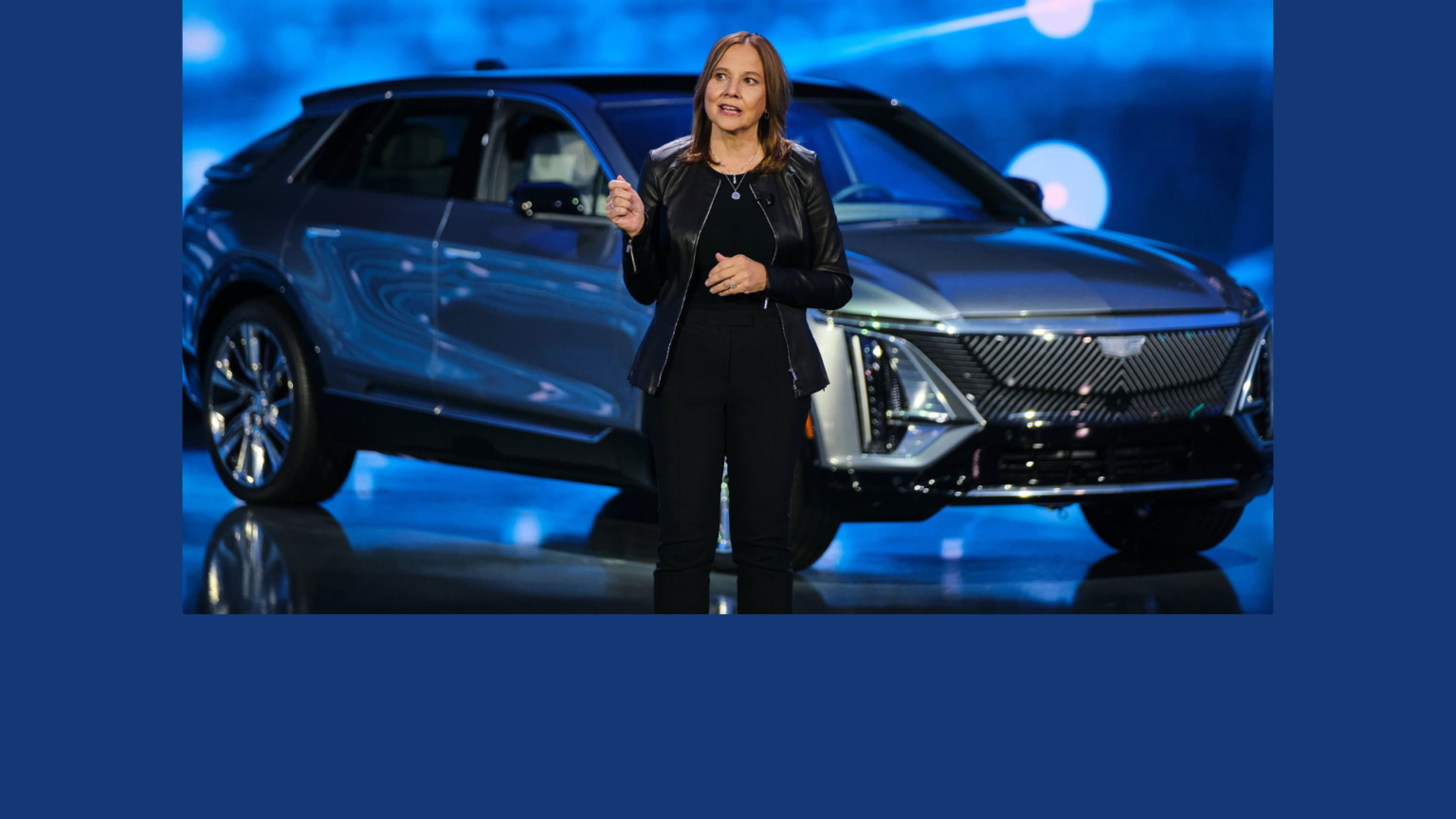

General Motors’ electric vehicle (EV) revolution under the guidance of Mary Barra will expedite the company’s electrification process, thereby solidifying the company’s commitment to the electrification of its products. With the competitive intensity of the electric vehicle market rising, the approach by Barra seems to be pragmatic and ambitious all at once.
Under the leadership of Barra, General Motors is now further optimizing its EV strategy and future plans for adaptability and execution. Instead of growing in every aspect, General Motors is aligning the expansion of its EV offerings based on consumer demand, supply chain development, and sound economics. All this becomes highly pertinent at this point in time when automakers are dealing with dynamics in demands, competition, and incentives.
One of the key planks of GM’s EV vision has been its modularity approach to battery and vehicle architecture. In its efforts to reuse components across various models, GM has been working to lower the costs of production while speeding up time to market. This has enabled GM to develop a full range of EVs, from mainstream cars to full-size premium SUVs to commercial EVs, without having to reinvent the wheel for every single model. Barra has argued that scalability is the key to mainstreaming EVs.
Manufacturing transformation is another sector getting significant interest. General Motors is retrofitting its current factories as well as constructing purpose-built EV factories. Notably, Barra emphasizes the role of efficiency in such a transition, as electrification is, after all, not just a product strategy but a way of thinking about manufacturing cars anew. There is significant interest in robotics, supply chains, and local sourcing as tools of efficiency.
Infrastructure is still one of the most vital issues associated with mass adoption of EVs, and GM is doing its best to resolve this question. The manufacturer continues to enhance partnerships with the aim of offering better options for charging outside the house, as well as improving house charging solutions. Barra has always mentioned that issues with range anxiety and convenience concerning charging should be resolved at scale with regard to mass adoption of EVs.
Expenses and costs management is another theme that characterizes Barra’s approach. Although GM has not abandoned its electrification strategy, it has been very prudent about managing costs to ensure that it is profitable in both electric and internal combustion vehicle segments. By doing so, it can invest in the future of electric vehicles and also generate strongcash flows from traditional vehicles. It has been very clear that growth in electric vehicles has to be sustainable and not speculative.
Regarding the workforce, the EV transition is creating a paradigm shift in terms of skills and talent. Barra has highlighted the need to develop talent capabilities, especially in software, batteries, and manufacturing. This talent shift by GM indicates the dynamic change that the entire auto sector is undergoing, as mobility services and tech are becoming equally important as manufacturing.
Sustainability is also a key part of GM’s overall vision. The company has linked its expansion in EVs to other sustainability aims, such as lowering emissions in its processes and supply chains. Barra identifies the electrification of vehicles with both a business opportunity and a responsibility to match GM’s growth plan with overall climate ambitions. As competition both from established automakers and new entrants focused solely on electric vehicles increases, what is remarkable is that the style of leadership displayed by Mary Barra is a perfect blend of ambition and pragmatism. While a clear focus on scaling technology, investment, and building ecosystem engagement is helping GM navigate what is perhaps one of the most ambitious transitions the company has undertaken, it is clear that GM is signaling that it is committed to playing a major role in shaping the future state of electric mobility.




