
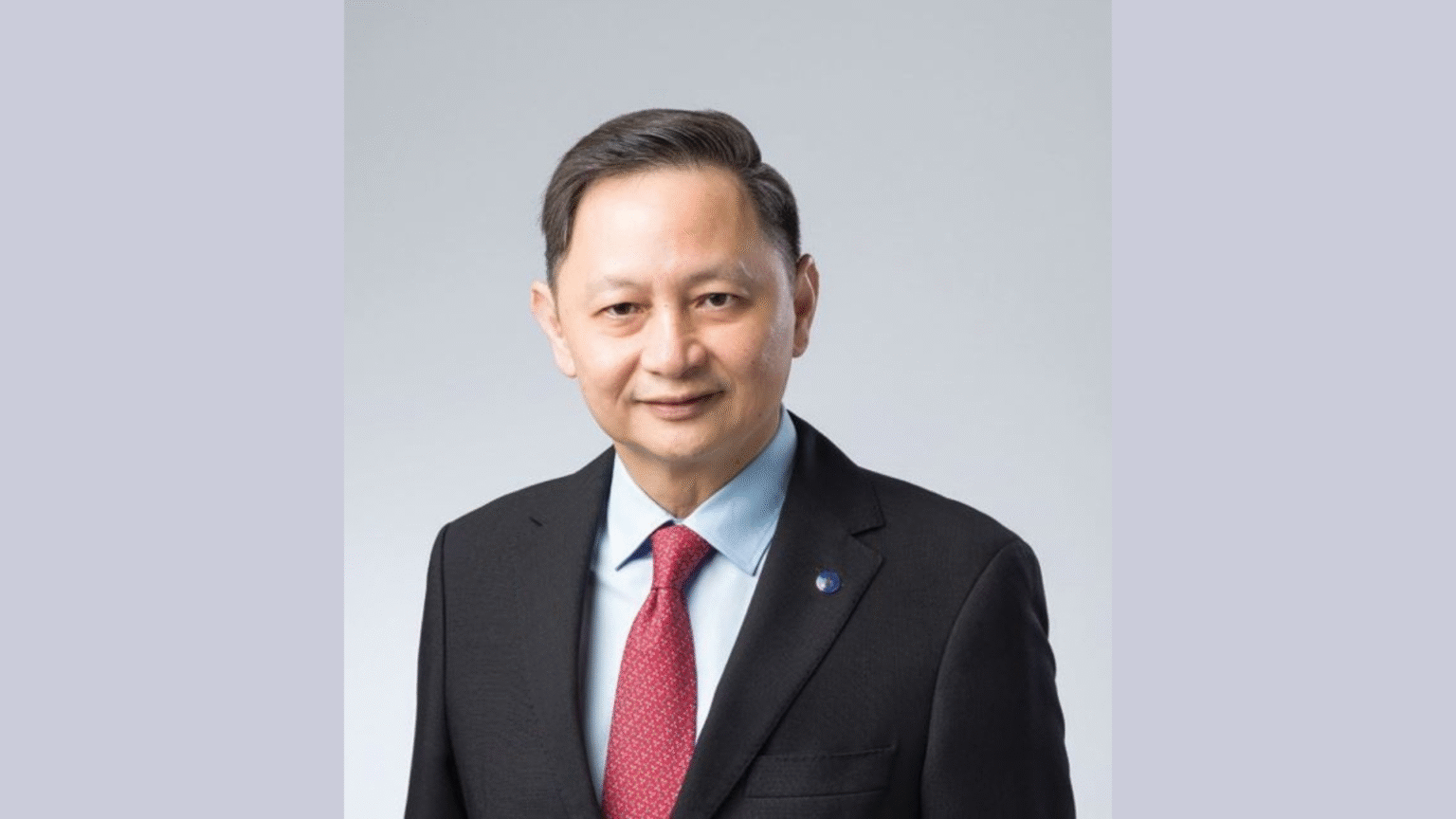

Singapore Airlines (SIA) appears confident in the face of a new challenge: Boeing’s delay of the highly-awaited 777‑9 aircraft. The carrier has built enough flexibility into the fleet plan to absorb any disruption, and is not expecting a major hit to its operations or growth, says CEO Goh Choon Phong.
Built-In Flexibility in Fleet Planning
Speaking to reporters in a briefing after releasing the airline’s first-half financial results, Goh underscored that SIA always plans conservatively, factoring in the possibility of worse-case scenarios. “SIA has always built in flex in our fleet plan. So in this case, even with the delay, we don’t expect it to have any major impact,” he said.
This strategic cushion gives SIA room to manage capacity shortfalls without rushing into risky decisions or compromising its long-term growth strategy.
The Delay: What’s happening with Boeing
Boeing recently pushed back the first delivery of its 777‑9 jet — part of the bigger 777X program — to 2027.
The delay could have been a cause for concern for SIA, which has placed a significant order for these next-generation aircraft. But rather than panic, the airline seems poised to manage the situation pragmatically.
Contingency Measures: “Levers” to Pull
Goh also highlighted that SIA has specific strategies — or “levers” — it can pull to make up for any capacity gap.
Historically, the airline builds its forecasts off what Boeing tells them, but then models for a more difficult scenario, so they aren’t caught off guard.
One such lever includes retrofitting existing aircraft. The carrier earlier announced it would upgrade its long-range Airbus A350s with the cabin product it designed for the 777‑9.
Flight Global
It not only helps bridge capacity, but also ensures that the delivery delay doesn’t stall its premium-cabin experience plans.
A Privileged Negotiating Position
Goh would not go into detail when asked if compensation from Boeing for the delayed delivery.
However, he added that SIA enjoys a “privileged position” as one of Boeing’s leading airline customers, and hinted that preferential treatment might be on the table.
This leverage could work in SIA’s favor because the long-standing relationship with Boeing and sizeable orders afford it negotiation power not possessed by other airlines.
Financial Pressure: Profits and Competitive Headwinds
The announcement comes at a tough time for SIA financially. The airline said its half-year profit dropped 68% due to rising costs, tougher competition, and losses at its Indian associate, Air India.
In that context, the late-arriving 777‑9s could have increased the stress levels; yet Goh’s message aims unequivocally to calm fears inside and outside the company.
Why the CEO’s Approach Matters
Pragmatism over panic: Instead, SIA is relying on disciplined planning and risk modeling. For airlines, where capital cycles are long and aircraft orders take years to deliver, this could make all the difference. Strong Negotiation Leverage: The implication of SIA being in a “privileged” spot seems to be that it is ready to drive hard bargains on compensation-or even on future deliveries. Customer Experience Protected: Retrofitting the A350 fleet, SIA is ensuring that its premium product rollout isn’t derailed. A delay of the 777‑9 won’t necessarily equate to a delay in delivering top-tier passenger experience.
Financial Resilience: The company’s leadership is sending one surefire message with these significantly lowered profits: it’s not blindsided. Contingency plans are already rolling; thus, both investors and stakeholders are a bit more confident. Looking Ahead: Risks and Opportunity While Goh’s assurance remains strong, there is risk involved with the prolonged delay of the 777‑9. If Boeing’s new timeline slips further or if cost pressures intensify, SIA may have to deploy its “levers” more aggressively – or rethink part of its long-term fleet strategy. On the upside, if Boeing does offer favourable compensation or accelerated future deliveries, SIA may emerge stronger without having compromised its premium product plans. The situation also speaks to a broader dynamic in global aviation today: supply-chain volatility, production delays, and rising costs have become the new normal. Airlines that plan conservatively and build flexibility into their fleet and financial strategies will be better poised to weather these uncertainties.




