
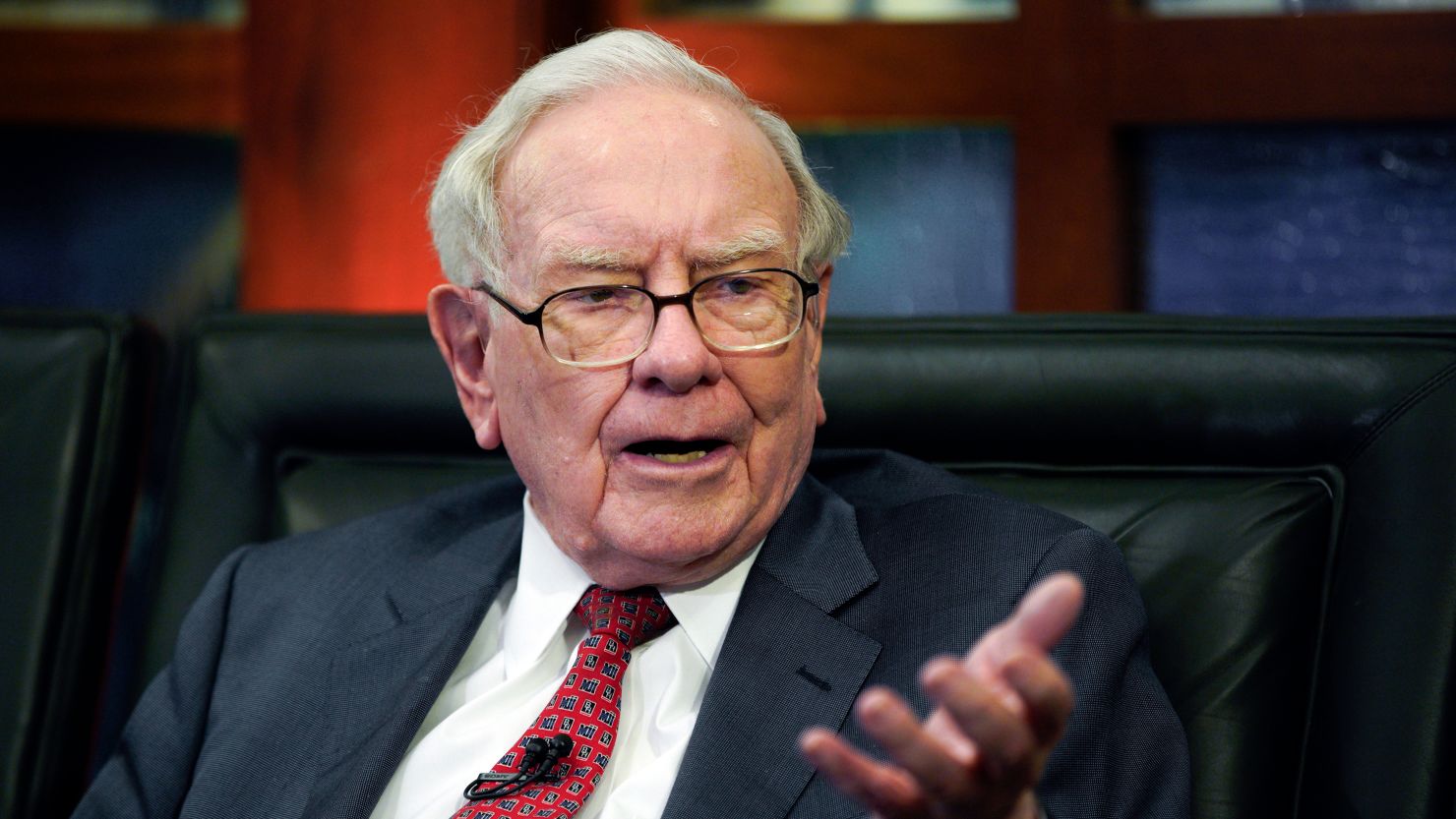

Warren Buffett’s Warning Is Back — And It’s Louder Than Ever
When Warren Buffett speaks, investors tend to listen. Known for his calm optimism and long-term thinking, Buffett rarely sounds alarm bells.
That’s why his long-standing warning about stock market valuations is getting renewed attention today.
More than two decades ago, Buffett introduced a simple but powerful way to measure whether the stock market is overpriced. Today, that same indicator is signaling something important — and possibly concerning.
Let’s break it down in a clear and practical way, and explore what investors should do right now.
What Is the Buffett Indicator?
A Simple Way to Measure Market Value
The “Buffett Indicator” is one of the easiest ways to understand whether the stock market is expensive.
Here’s how it works:
- It compares the total value of all publicly traded stocks
- To the size of the overall economy
Originally, Buffett used Gross National Product (GNP), but today it’s typically measured against Gross Domestic Product (GDP).
In simple terms:
If the stock market is growing much faster than the economy, it may be overvalued.
Why Buffett Trusts It
Even Buffett admitted the indicator isn’t perfect. But he once described it as:
“Probably the best single measure of where valuations stand at any given moment.”
That’s a big statement from one of the most successful investors in history.
The Warning Sign: Where It Stands Today
A Critical Level Has Been Crossed
Back in the late 1990s, just before the dot-com crash, this ratio hit record highs.
Buffett warned at the time:
- If the indicator approaches 200%, investors are “playing with fire”
Fast forward to today — the ratio is now above 219%.
That’s not just high. It’s historically extreme.
What This Means for Investors
A high Buffett Indicator suggests:
- Stocks may be overpriced
- Future returns could be lower
- The risk of a market correction is higher
It doesn’t guarantee a crash — but it signals caution.
How Buffett Responded — And What You Can Learn
Before stepping down as CEO of Berkshire Hathaway, Buffett made some notable moves that reflect his concerns.
Let’s look at what he did — and what you can do too.
1. Build Strong Cash Reserves
Why Buffett Held Record Cash
Buffett left his successor, Greg Abel, with an enormous cash pile:
- Over $373 billion in cash and equivalents
- Close to the company’s all-time high
That’s not accidental.
Buffett chose to hold cash rather than invest heavily in what he saw as overpriced stocks.
What This Means for You
You don’t need billions to follow this strategy.
Holding some cash:
- Gives you flexibility
- Reduces risk during downturns
- Lets you buy when prices fall
Think of cash as opportunity — not just idle money.
2. Buy Quality Stocks at the Right Price
Buffett Was Still Buying — Carefully
Even while reducing overall stock exposure, Buffett didn’t stop investing entirely.
He focused on:
- High-quality companies
- Fair or discounted prices
This is a key point:
It’s not about avoiding the market — it’s about being selective.
Finding Opportunities in Today’s Market
Even in an expensive market, opportunities exist.
One example is the recent pullback in tech stocks, especially software companies.
Some investors fear that artificial intelligence could disrupt these businesses. While that may be true in some cases, others remain strong and resilient.
This creates a window where:
- Good companies are temporarily undervalued
- Smart investors can step in
The Key Idea
Don’t chase hype.
Look for value — even when it’s hidden.
3. Think Long Term — Always
Buffett’s Most Important Rule
Throughout his career, Warren Buffett has emphasized one core principle:
Invest with a long-term mindset.
He once said you should only buy stocks if you’re prepared to hold them for a very long time — just like owning a farm.
Why This Matters Now
When markets become volatile or overvalued:
- Short-term traders panic
- Long-term investors stay focused
A long-term perspective helps you:
- Avoid emotional decisions
- Ride out market swings
- Benefit from compounding over time
Wisdom from Charlie Munger
Buffett’s longtime partner, Charlie Munger, summed it up perfectly:
“The big money is not in the buying and the selling, but in the waiting.”
That patience is what separates successful investors from the rest.
Is the Market Really in Danger?
Not a Prediction — But a Signal
It’s important to understand what the Buffett Indicator does — and doesn’t do.
It does:
- Highlight potential overvaluation
- Warn of increased risk
It does not:
- Predict exact timing of a crash
- Guarantee losses
Markets can stay expensive for longer than expected.
What You Should Focus On
Instead of trying to time the market, focus on:
- Managing risk
- Maintaining discipline
- Sticking to a strategy
That’s exactly what Buffett has done for decades.
Final Thoughts
The fact that the Buffett Indicator is above 219% should not be ignored.
It’s a clear signal that:
- The market is highly valued
- Risks are elevated
- Caution is warranted
But it’s not a reason to panic.
By following Buffett’s approach, investors can navigate this environment more confidently:
- Keep some cash ready
- Invest in strong businesses at fair prices
- Stay focused on the long term
In uncertain markets, simple strategies often work best — and few have proven that better than Warren Buffett.




