
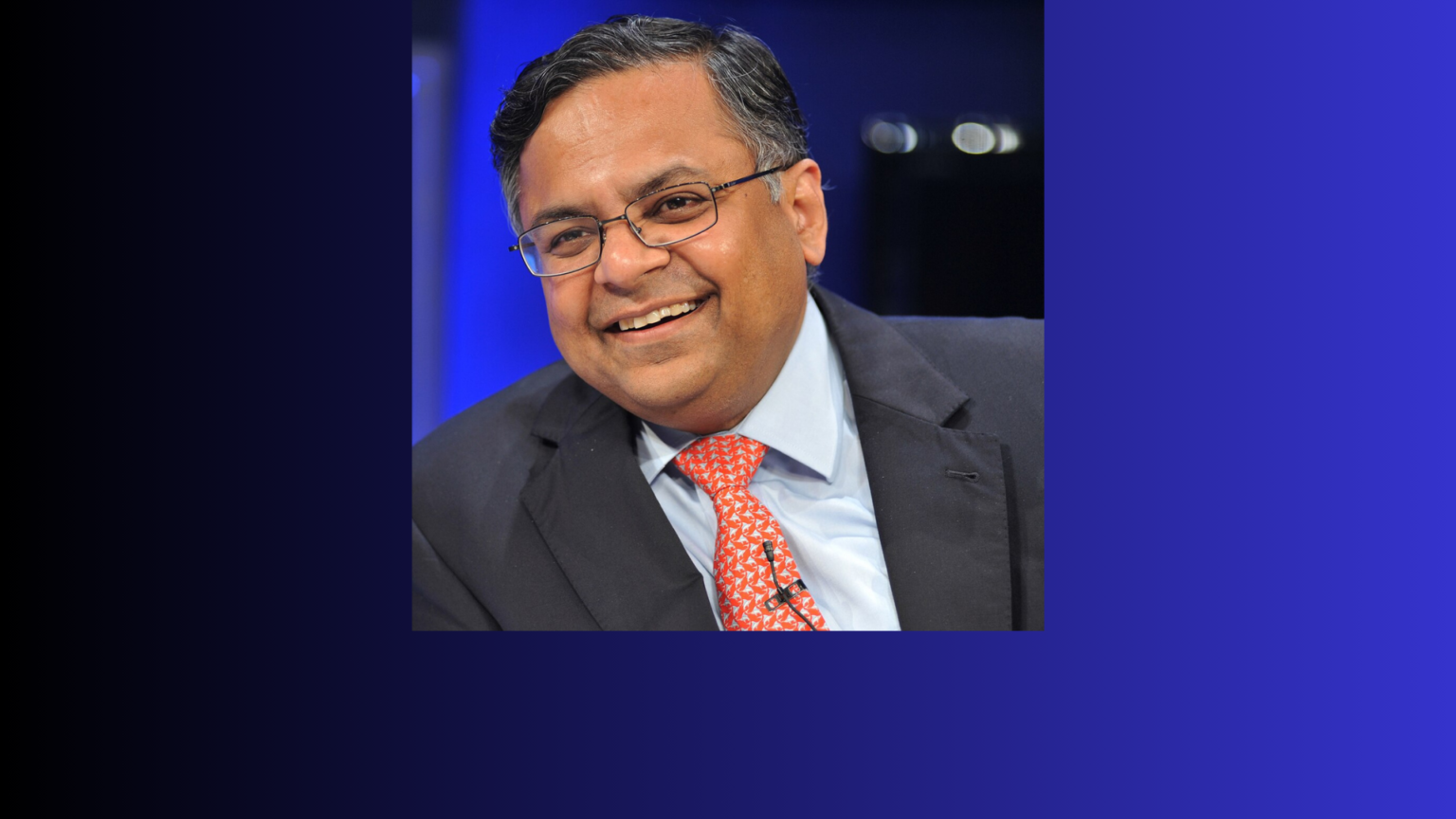

Natarajan Chandrasekaran is now homing in on optimizing synergy efforts within the Tata Group as he seeks to maximize value within such a diversified and respected conglomerate in India. Given that the conglomerate is involved in so many sectors, such as steel, automobiles, information technology services, consumer products, aviation, and renewable energy, Chandrasekaran believes that synergy is needed.
During Chandrasekaran’s reign, Tata Group has been gradually shifting away from a silo-based business model to an integrated ecosystem. Tata Group’s chairman has reiterated the fact that even though each Tata company has a distinct personality and a robust leadership team, the bigger strength lies within the overall Tata group’s stature, strengths, and values, as the business environment has now turned quite complex and capital-intensive globally.
An important synergy area where the Tata Group is focusing is related to “Shared Services and Platforms.” The companies in the Tata Group are considering shared systems for procurement, digital platforms, talent, and sustainability projects. They want to eliminate duplication and work efficiently in terms of cost and speed. Chandrasekaran has been quoted as saying, “One of the benefits of these efficiencies is that it enables our operating companies to see their customers more clearly.”
The role of technology and digital transformation is prominent in realizing this synergy. Various Tata Group entities have increased their pace with digital adoption in the fields of manufacturing, logistics, retail, and customer engagement because of the significant presence of Tata Consultancy Services as a technology backbone. According to Chandrasekaran, digital integration is not only a means for cost efficiency but a driver for innovation.
The other area of emphasis is the collaboration of companies in new areas. The strategic move of the group in electric cars, alternate energy, batteries, and electronics is planned in a manner that these areas are interlinked and not separate investments. For instance, the group expects the combination of car manufacturing, alternate energy production, materials procurement, as well as digital services, to form a vertically integrated value chain. Chadrasekaran is of the view that this integrated plan will help the Tata Group in new-age industries.
Talent and leadership development also take the highlight spot in Chandrasekaran’s plans for the future. He has challenged the Tata group companies to share talents and leadership, so that the best people get to experience more industries. Not only will this enhance succession planning, but the whole leadership community will develop and thrive in the Tata way. According to Chandrasekaran, people who have knowledge and understanding of the whole company are the key to finding where they can cooperate and make value.
“Financial discipline is one of the key tenets that will guide Tata Group’s synergy plan,” according to Ratan Tata’s biography. At a time when Tata Group is pouring vast amounts of capital into growth sectors, Chandrasekaran has emphasized that Tata Group should remain disciplined and pragmatic on returns.
Group-level coordination prevents any wasteful spending on duplicate projects and helps Tata Group to allocate capital where it can create the largest impact. This approach to capital spending has enabled Tata Group to remain disciplined on its balance sheet at a time when Tata Group is foraying into capital-intensive industries.
Another area where Chandrasekaran identifies high synergy is sustainability. Tata Group companies are aligning their environmental and social efforts, learning from each other’s best practices in cutting carbon emissions, sustainable sourcing, and community building. The group believes it can have a greater collective impact by pursuing sustainability objectives, solidifying its brand as an organization with purpose.
Chandrasekaran has also underlined the fact that synergy by no means implies homogenization. Each Tata group firm keeps its autonomy and respective competitive strategy. The aim here, according to Chandrasekaran, is synergy without sacrifice—enabling the flexibility of an entrepreneur and the advantage that comes from leverage. This is very important for the Tata Group, as its businesses belong to vastly different worlds. With increased global competition and an unstable economy and environment, Natarajan Chandrasekaran’s thrust on synergies represents his long-term thinking. He is actually preparing Tata Group to emerge stronger as an integrated group itself because while he is promoting inter-business cooperation and developing common strengths and working towards a unified strategy, Chandrasekaran is actually making Tata Group prepare itself to be nimble and resilient in today’s changing world itself because Tata Group itself is undergoing an evolution under Chandrasekaran’s leadership.




