
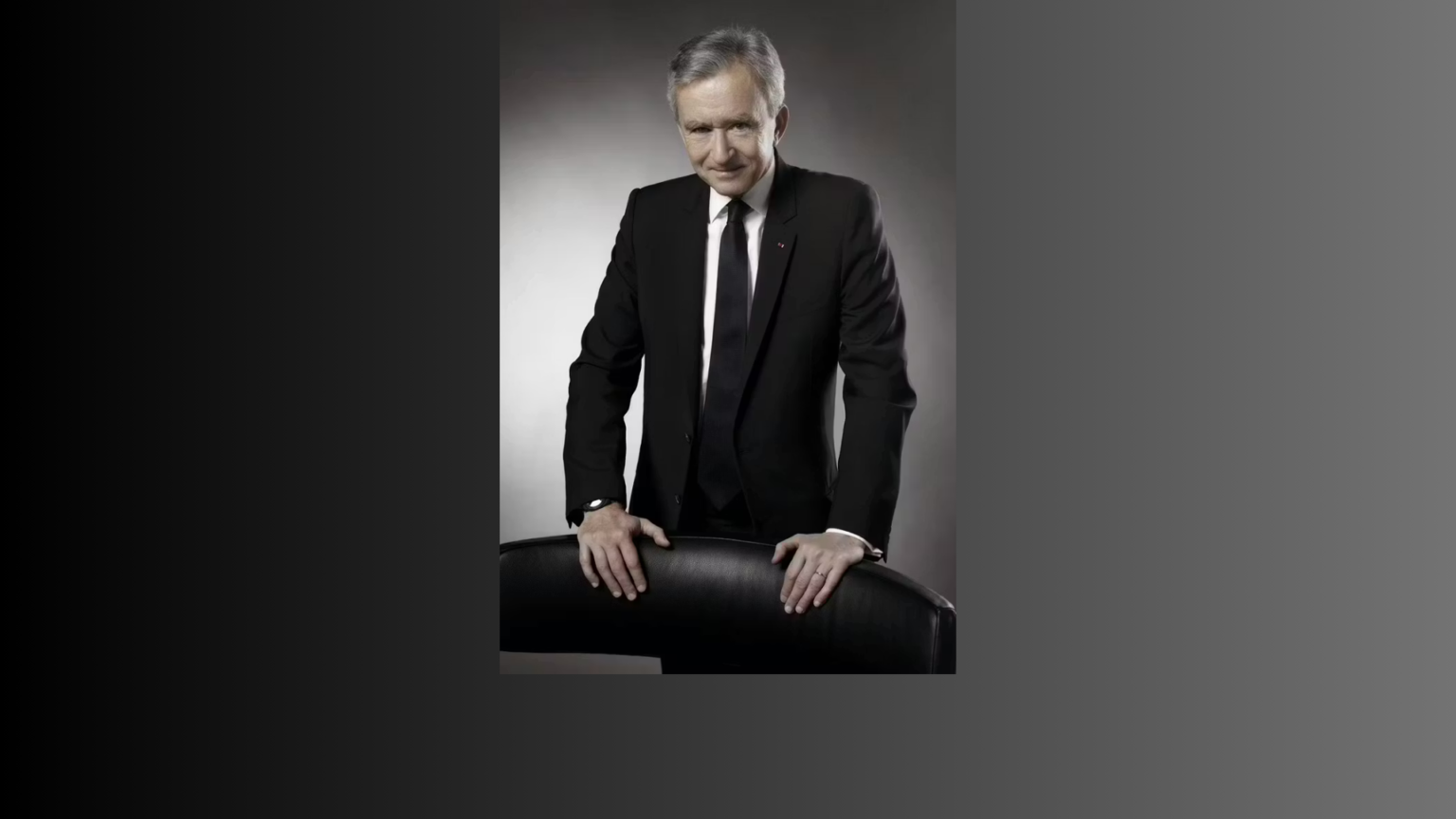

Bernard Arnault, Chairman and Chief Executive of LVMH, has reiterated his confidence in the long-term strength of global luxury demand despite uncertainty around the world’s economy, inflationary pressures, and shifting consumer behavior. Arnault’s outlook reflects his belief that luxury, when rooted in craftsmanship, heritage, and brand value, will stay resistant across economic cycles.
Speaking against a background of mixed signals from global markets, Arnault underlined that demand for quality luxury products continues to hold firm, at least for affluent buyers who are less sensitive to short-term economic fluctuations. Though moderation in spending is beginning to show up in some regions, he claims that the fundamentals of the luxury industry remain strong, driven by growing wealth creation, aspirational consumption, and expanding middle and upper classes in emerging markets.
The main reason for Arnault’s optimism, though, rests in the diversified brand portfolio at LVMH. From fashion and leather goods to watches and jewelry to perfumes and cosmetics to wines and spirits and selective retailing, the group does not remain dependent on a single category or geography. This ultimately provides LVMH with the ability to cushion regional slowdowns and reap benefits in other growth markets. Arnault has repeatedly noted how the diversity of brands serves as an advantage during periods of economic disequilibrium.
Geographically, Arnault remains optimistic about long-term growth in Asia, especially among younger consumers who still see luxury as a signifier of identity and accomplishment. Though short-term demand can be easily disrupted by macroeconomic shocks or regulatory shifts, he feels that the appetite for relevant luxury brands that tell stories and have cultural relevance will keep growing. In Europe and the United States, core markets where local buyers and global tourism drive consumption,
Arnault further underscored that true luxury is not built on discounts or aggressive volume growth. Instead, LVMH has focused on exclusivity, controlled distribution, and long-term brand equity. Carefully managing supply and maintaining pricing discipline are how the group protects brand desirability rather than chases short-term sales growth. This philosophy, Arnault argues, is what enables luxury brands to endure for decades rather than boom and bust with economic cycles.
Another important cornerstone in Arnault’s strategy is innovation and creativity. While heritage remains important, LVMH continues to invest heavily in design talent, digital engagement, and customer experience. From immersive flagship stores to personalized services and selective use of technology, the group has been working hard to adapt to modern consumer expectations without diluting any brand DNA. Innovation, if combined with craftsmanship, Arnault thinks, cements relevance among the digitally savvy young.
Sustainability has also become increasingly central to the luxury narrative. Arnault himself acknowledges that today’s consumers of luxury are more conscious about environmental and social responsibility, and LVMH therefore invests in sustainable sourcing, circular economy initiatives, and reduced environmental impact across its supply chain. Sustainability, Arnault says, is not optional for luxury brands now; it is an investment in long-term trust and credibility.
But despite it all, Arnault stays cautious, not complacent. He did admit that the new economic environment involves volatility and requires disciplined management. Still, decades of up and down cycles breed confidence. To Arnault, he held the view that luxury deals essentially with emotions, aspirations, and timelessness-values that do not come to naught during depressing times. While competitors are facing pricing pressure and consumption pattern changes, the steady confidence of Bernard Arnault sends a loud and clear signal to investors and industry onlookers alike. He thus places LVMH in a leading position in the global marketplace, one that can thrive even when economic conditions may be unfavorable, by focusing on brand strength, creativity, and long-term vision rather than short-term reaction.




