
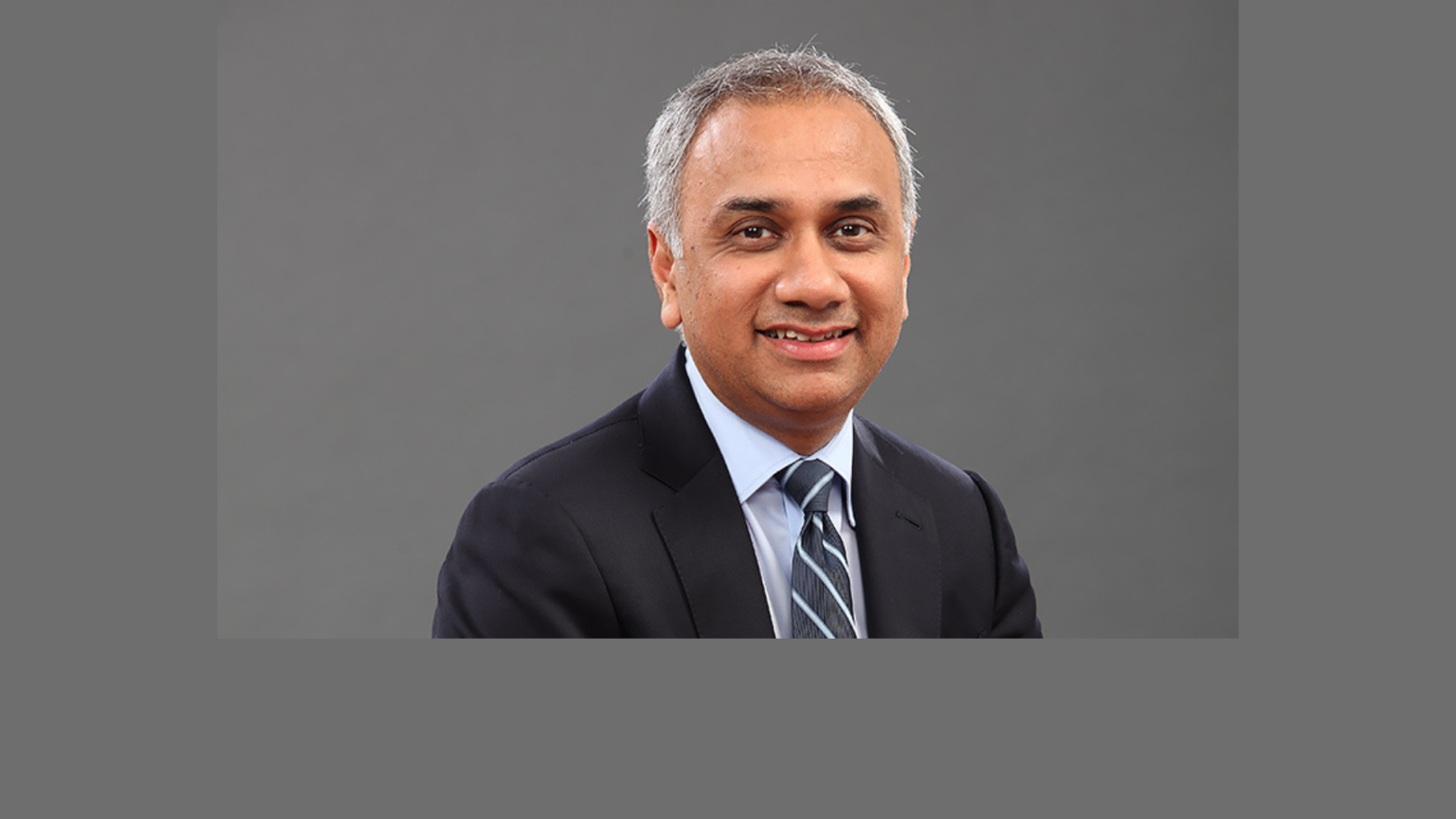

Infosys CEO, Salil Parekh, has stressed the importance of a ‘cautious and calibrated approach to growth’ in the light of economic uncertainty, the impact of which is reflected in the adoption of technology spend by various corporations globally. Addressing a forum consisting of investors, Salil Parekh pointed out the fact that the demand for digital transformation has, however, remained unaffected, but with increased prudence on the spending front.
The global IT services industry is entering a phase of moderation, following a period of robust growth post-pandemic scenarios. The pressure of rising interest rates, inflation, and geopolitical events has forced businesses, especially those in North America and Europe, to reassess budgets and slow down major commitments to technology spending. In this environment, Parekh pointed out Infosys’ focus on building strengths around “resilience, efficiency, and partnership” instead of growth.
Although the outlook is conservative, Infosys still notices a positive trend in the standard areas of digital. This ranges from cloud migration to artificial intelligence and analytics. However, according to Parekh, despite the slowed cycles of decision-making in the industry, their customers remain committed to the idea of improved productivity through information and communication technologies. There is a growing trend in demand for cost optimisation and automation.
“Balance between growth and profitability was one of the key messages that the CEOs wanted to put out there,” said one analyst. “The Infosys focus has been on disciplined execution, driving utilization, and cost discipline in the face of challenging markets,” said Parekh. “The thing about us is that we have a strong balance sheet and a diverse set of clients,” said Parekh.
AI and generative AI remain important to the long-term vision at Infosys. “We are also making significant efforts to invest in AI capabilities and talent to help clients develop responsible and scalable solutions using AI,” Parekh repeatedly emphasized. Infosys is already providing internal productivity solutions using AI and is also assisting its global clients to embed generative AI into their business, customer experience, and software development.
Another crucial area that Infosys is focusing on is talent management. Though the technology sector as a whole has momentarily slowed down hiring, Infosys is reskilling and upskilling its employees to meet future technology demands. Parekh talked about how they are pouring investments into various employee training programs, digital learning platforms, and leadership development to keep themselves updated according to the evolving demands of their clients. Interestingly, he also mentioned that attrition levels are stabilizing compared to last years.
From a geographical standpoint, Infosys continues to witness relatively stronger demand in segments like financial services, healthcare, energy, and manufacturing, amongst others. But Parekh also conceded that some segments, like retail and telecom, are being cautious because of margin concerns and overwriting or less certain consumer behavior. Industry-specific slowdowns will, to some extent, be countered due to its diversified base.
Infosys is also targeting large-scale transformation engagement contracts, as opposed to smaller ones. According to Paras Parekh, more clients are showing keen interest in a strategic partner who can undertake end-to-end digital transformations with clear outcomes. This shift in strategy by Infosys, including in execution, has played an integral part in bagging these contracts.
Sustainability and ESG services are a new segment that is gaining prominence. As regulations globally are becoming more stringent, with more companies moving towards a net zero-target, Infosys is increasing its focus on sustainability transformation services, ESG reports, and green technology services. According to Parekh, “Sustainability is no longer a niche but an integral part of transformation.”
Industry observers feel that Infosys’s conservative stand is an index of the trend prevailing in the global IT service sector. Although the basic foundations are sound in the long term, the current scenario demands flexibility, prudent pricing strategies, and more attention to what the customers want. Parekh’s style of leadership has been described as pragmatic, prioritizing the execution over the acceleration of growth. Moving into the future, the company still holds on to its optimism in the medium and long term with the unstoppable wave of digitalization and AI adoption. At the same time, the CEO expressed that progress in the current scenario would be measured and not necessarily rapid. But with all the uncertainties across the globe, the Infosys strategy led by Salil Parekh is one that strikes a balance between being extremely cautious and very optimistic, thereby being able to tide the organization over the tough times while being able to capitalize on opportunities when the market improves.




