
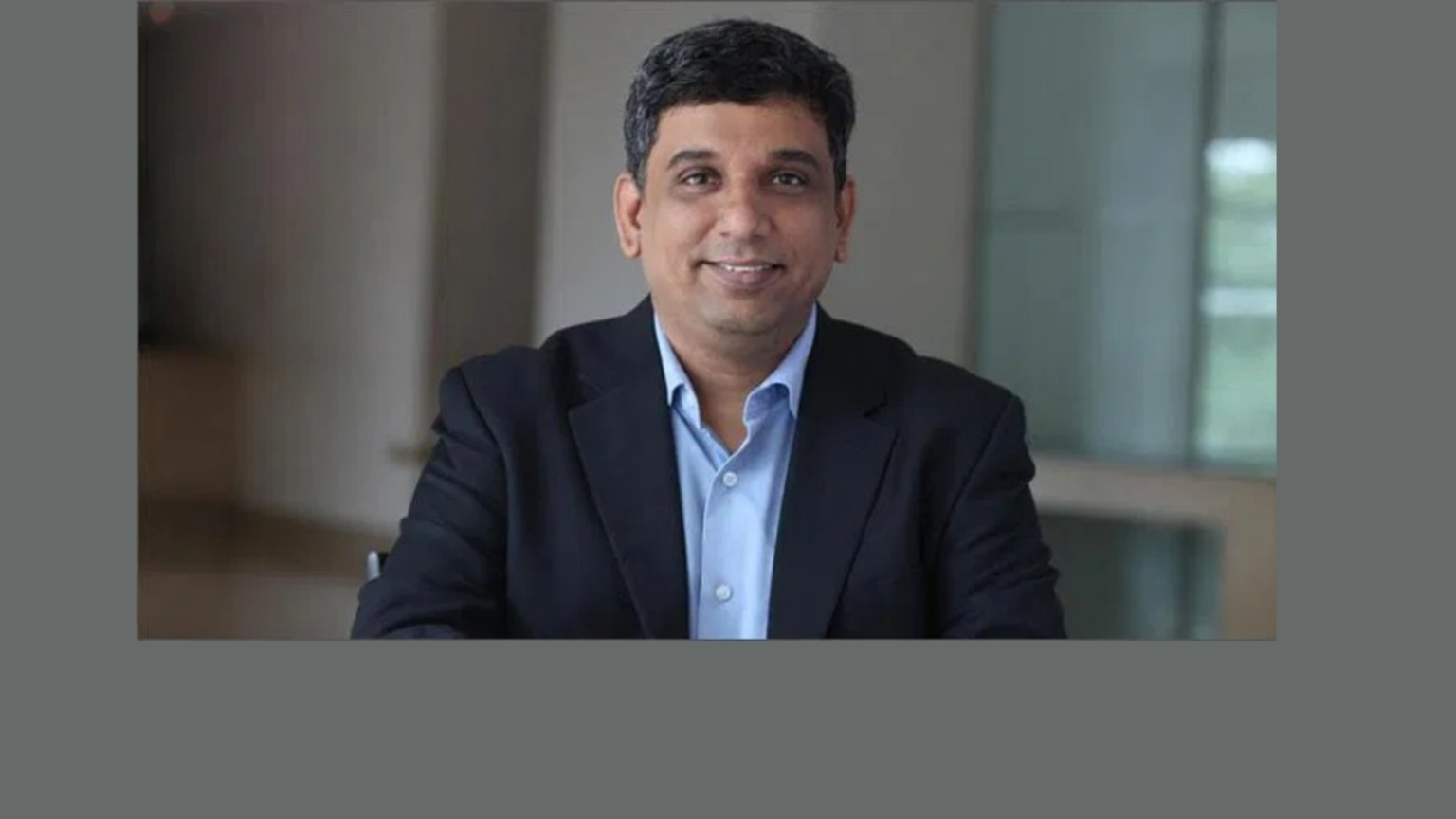

A far-reaching leadership realignment in the Indian advertising and media landscape is the appointment of Kartik Sharma as Chief Executive Officer of the newly merged Omnicom Media Group India and IPG Mediabrands India. Such a merger between two global media powerhouses places the entity at an enviable position in the country’s media-buying, planning, and marketing ecosystem, combining capabilities in digital transformation, data analytics, content creation, and full-funnel media strategy. As the first CEO of the integrated India business, Sharma has been mandated to harmonize two robust organizations, each with strong cultures, legacies, and client portfolios.
Sharma brings with him decades of experience in media leadership, including successful tenures at top global networks. He is known for his calm, strategic thinking, and data-driven approach, long regarded as one of the most respected professionals in the Indian media industry. His ability to drive operational excellence while nurturing creativity makes him a natural choice to lead a combined entity that redefines how brands engage with audiences in an increasingly fragmented media environment.
The merger comes at a time when India’s advertising market is in rapid transformation. Digital spending has overshadowed traditional channels, and clients demand greater accountability and measurable ROI through unified planning across media touchpoints. Omnicom and IPG are merging operations to leverage scale, technology integration, and shared global tools to create a future-ready network. Sharma will have to navigate the task of seamlessly bringing together the strengths of both groups-from Omnicom’s strong global media frameworks to Mediabrands’ advanced marketing intelligence.
One of the first things he will be prioritizing is integrating talent across agencies. Between both networks, thousands of professionals collectively work in media planning, digital strategy, performance marketing, creative technology, and content production. Making sure teams feel supported, valued, and aligned within the transition will be important for continuity and morale alike. Sharma is globally renowned for creating a culture of collaboration, and it is expected that his philosophy of people-first leadership will have a big role to play in the integration process.
Another very important area of concentration will be client relationships. The merger brings together marquee brands from sectors like FMCG, technology, automotive, finance, retail, and consumer electronics. Today, clients seek data-driven insight from their media partners, advanced programmatic solutions, and real-time performance reporting. It is here that Sharma’s leadership will be all-important in ensuring a seamless transition for clients and the realization of value from an expanded capability set. The ability to forge long-term strategic partnerships is part of his career signature, which in times of structural change will be requisite in reinforcing trust among clients.
On the business side, Sharma will manage process, tool, and platform consolidations. From aligning technology stacks to integrating analytics systems and harmonizing financial operations, the merger involves detailed planning and execution at every step. He will also develop a single growth roadmap that will enhance the positioning of the combined company in India’s hyper-competitive media ecosystem. With the digital advertising market of the country expected to grow aggressively during the next few years, Sharma has an opportunity to position the organization as an innovation leader.
The new leadership team that supports him includes a COO and strategic advisor, thereby strengthening the operational backbone of the network. With Amardeep Singh as COO and Shashi Sinha as a strategic advisor, the leadership structure blends continuity with fresh direction. This collaborative framework will enable Sharma to hasten decision-making and support him in overseeing one of the most complex integrations in the Indian advertising sector. Of course, challenges lie ahead. The merger will mean blending two organisational cultures without diluting their individual strengths.
Maintaining agility while operating at increased scale is another hurdle. Furthermore, the wider advertising industry faces rising content costs, changing consumer media behaviour, and increasing pressure on agencies to justify spending. Yet, given his proven leadership and deep understanding of India’s media ecosystem, Sharma will be well positioned to take the merged organisation through these complexities. The appointment of Kartik Sharma means more than just a change in the leadership; it is an indication of the birth of a new unified force in Indian media. As he leads this journey of transformation, his vision, operational depth, and people-oriented approach would determine the course of the merged entity for many years to come. If done successfully, this integration could set a benchmark for future global media consolidations in the Indian market.




