
Jeff Bezos is stepping back into a chief executive role-not at Amazon, but at Project Prometheus, an ambitious AI-driven industrial venture that is rapidly turning into one of the highest-capitalized startups worldwide. The announcement comes through in global media reports, marking Bezos’ renewed return to hands-on leadership after years of focusing on philanthropy, space exploration, and selective investments.
Project Prometheus, which has already raised an astonishing US $6.2 billion in funding, places itself at the leading edge of advanced engineering, manufacturing automation, and artificial intelligence. The startup will look to build next-generation industrial platforms-a meld of robotics, precision manufacturing, and large-scale AI optimisation-in areas that Bezos has long believed will shape the global economy of the next decade.
A Strategic Leadership Re-Entry
Bezos’ decision to return as co-CEO is important for a number of reasons. Firstly, it indicates that he is increasingly interested in AI-first ventures, complementary to his earlier futuristic bets like Blue Origin and autonomous logistics. Secondly, it suggests that the trend for influential tech founders to return to executive positions as AI reshapes the competitive landscape is indeed real.
The move reportedly has generated significant buzz throughout Silicon Valley and Wall Street-not in the least because of the rivalry between Bezos and Elon Musk. Musk took to social media to publicly comment on the news, referring to Bezos as a “copy cat” for returning to a chief executive role, as Musk himself has led multiple companies at the same time. The remark was typical Musk, full of sarcasm, but analysts said all it does is underscore just how important the leadership of key founders is proving in this new AI era.
The Vision Behind Project Prometheus
While the company remains somewhat secretive, the assumption is that Project Prometheus is building high-performance industrial systems driven by AI models capable of managing anything from material science simulations to complex manufacturing flows. That’s a big departure from other big-tech ventures, which have traditionally pursued cloud, consumer products, and digital services.
Prometheus is looking to tackle a missing link in industrial capacity around the globe: the need for AI-enabled design and production to cut time-to-market dramatically for complex hardware, from electric vehicles to components of aerospace. Its purported investor list includes top-tier venture funds and strategic partners champing at the bit to back what some insiders are characterizing as a “SpaceX-meets-OpenAI for advanced manufacturing.”
For Bezos, who has long spoken of the need for long-term thinking and multi-decade bets, the project also closely aligns with his philosophy of building bold, infrastructure-scale companies. The project also reflects his earlier belief that the world is at an inflection point for a “renaissance of physical innovation” through machine intelligence. Stepping into the role of co-CEO, Bezos places himself on the frontier of this transformation.
Implications for Global Industry and AI
Bezos’ return to operational leadership comes at a time when enterprises across manufacturing, logistics, and heavy industry are actively seeking to integrate AI-not just as a support tool but as the central operating intelligence of factories and supply chains. Analysts say Project Prometheus could become a defining force in the shift from traditional industrial engineering to AI-first industrial ecosystems.
The company’s early funding size, already over billions, also speaks to strong investor confidence in AI applied beyond software. Traditionally, manufacturing and industrial automation have required heavy capital expenditure and long development cycles, discouraging venture capital. Prometheus seems to have flipped that on its head, indicating that large-scale AI-industrial startups have now entered a new era of investability.
What Bezos’ Move Means for Founders and the Tech Landscape
For global founders and CEOs, there are several lessons from Bezos’ decision. It shows that even leaders who have built trillion-dollar companies are returning to operational roles when they believe the next technological wave is big enough. Second, it shows that the AI revolution is expanding beyond chatbots and enterprise tools into real-world, large-scale systems.
Bezos’ re-entry may also reignite competition among the tech giants, investors, and emerging industrial-AI startups. With both political and economic forces moving in that direction, Project Prometheus could accelerate industry-wide adoption of AI-native production. For the entrepreneurs building deep-tech ventures, partnerships, and investments in India and emerging markets, this could spark great inspiration.
As the world watches the next phase of Bezos’ leadership unfold, one thing is clear: Project Prometheus is not just another startup but a statement as to where the future of advanced industry is headed. And Bezos wants to be in the front seat again.
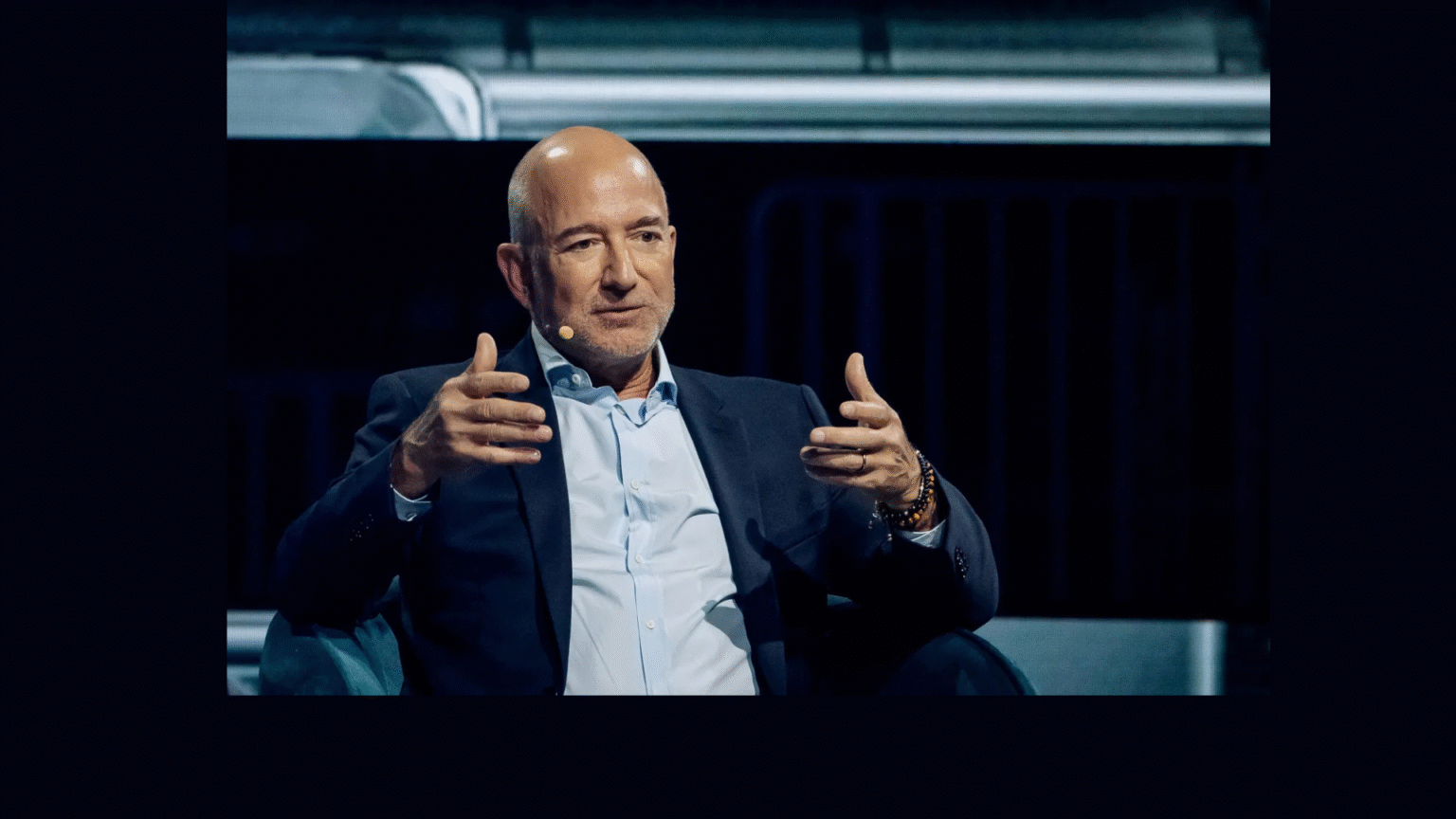
Jeff Bezos Returns as Co-CEO at Project Prometheus, Marking a New Era for AI-Driven Industry

Leave a Comment




