
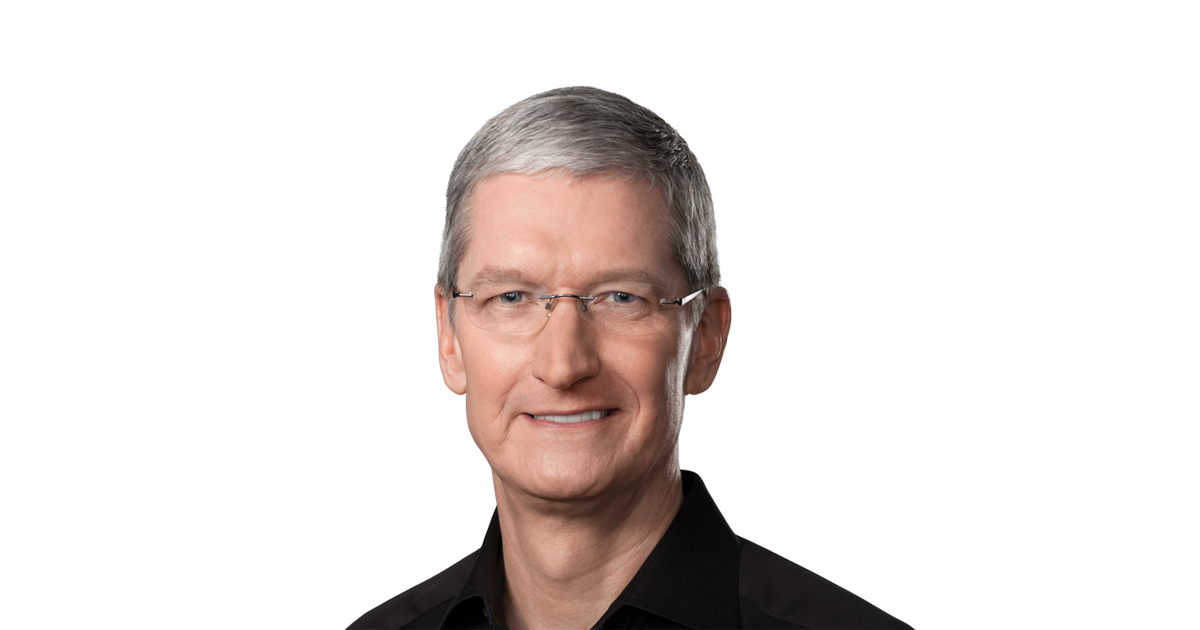

In a dramatic turn of events in labor relations, the U.S. National Labor Relations Board (NLRB) has dropped a number of allegations against Apple Inc. and its CEO, Tim Cook, relating to federal labor law violations. The move, made on September 26, 2025, is a turning point for the current debate about corporate governance and workers’ rights in the tech sector.
Background of the Allegations
The complaint followed an Apple employee email in September 2021 from Tim Cook to employees, threatening that the company was taking actions to find the people who leaked proprietary information. The email, which came after media coverage of an internal company meeting regarding sensitive subject matters like pay equity and how Apple would react to a Texas law banning abortion, was seen by some as threatening employees’ rights. The NLRB argued initially that Apple’s conduct, including the email, interfered with employees’ rights to discuss workplace matters and may violate the National Labor Relations Act (NLRA)
MacRumors.
Withdrawal of Claims
Following a review, the NLRB moved to drop the charges against Apple and Tim Cook. The general counsel of the agency mentioned a meticulous investigation and a review of the claims before ruling that they should be dropped. The dropped allegations involved charges that Apple illegally enforced secrecy policies, spied on employees, and unfairly fired activist Janneke Parrish, who had been part of building the #AppleToo movement.
Implications for Apple and the Tech Industry
There are various implications of this decision for Apple and the rest of the tech industry:
Corporate Governance: Repeal of these claims will support Apple’s position of upholding secrecy and guarding trade secrets, which are essential in the cutthroat tech world.
Employee Relations: Although the NLRB ruling might assuage short-term fears, it reminds us of the value of open communication and equitable treatment of employees to promote a healthy work culture.
Regulatory Oversight: The case emphasizes the changing role of regulatory agencies in balancing business interests with safeguarding employee rights, particularly for sectors that are marked by accelerated innovation and intricate labor patterns.
Conclusion
The NLRB’s withdrawal of the charges against Apple and Tim Cook is a landmark moment in the crossroads of corporate conduct and workers’ rights. As the technology sector continues to develop, this case will likely be used as a point of reference for future debates and legislation geared toward preventing unfair treatment of workers while protecting corporate interests.




