
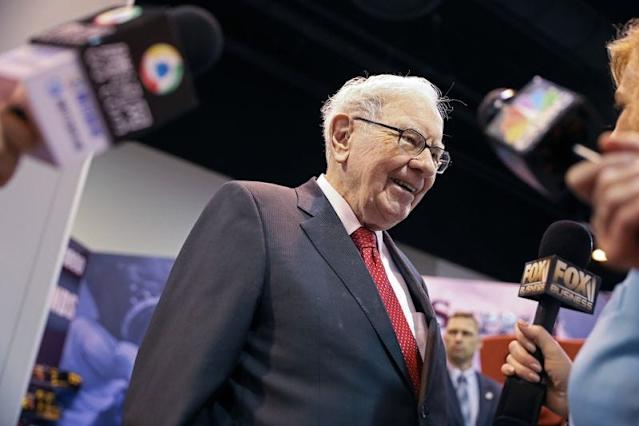

Warren Buffett, legendary investor and Chairman of Berkshire Hathaway, has sparked a big-time debate in corporate circles once again. Speaking recently about executive compensation, Buffett said that reforms put in place over the decades to make CEO pay more transparent have actually “backfired.” Instead of curbing excessive pay, he said, these reforms have pitted CEOs against each other in compensation, driving it upward and embedding “envy and greed” deep into corporate culture.
The controversy grows out of reforms that began in the 1990s, when regulators mandated public companies to disclose how much their top executives earned. The goal was simple: by placing compensation in the public domain, boards of directors and shareholders would supposedly push for fairness and accountability. However, Buffett suggests the opposite happened.
The Race to the Top
Once CEO salaries became public information, boards started benchmarking their executives’ compensation against peers. A board rarely wanted to admit that their CEO was “below average” in pay, fearing it would signal weak talent or lesser prestige. As a result, companies routinely pushed their CEO compensation packages into the top quartile of industry comparisons. However, when every company tries to be above average, the entire “average” shifts upward.
This benchmarking cycle created, as Buffett described it, an “executive arms race” where the compensation packages began to rise at an ever-faster rate than company performance, employee wages, or economic growth. The culture around executive pay shifted from reward-based incentives to competitive signaling, where compensation was seen as a status symbol rather than an operational necessity.
Misalignment of Pay and Performance
The first important consequence of this increase is the widening spread in the ratio between the CEO’s compensation and the median employee wages-a figure at the core of the debates on inequality. In several large firms today, the CEO earns hundreds and sometimes thousands of times more than the average employee. Such structures, critics maintain, jeopardize company morale and promote inequality in the workplace.
Buffett’s comments highlight another, related issue: the composition of pay packages. The compensation schemes of many CEOs are weighted heavily towards stock options or performance-related rewards. This supposedly helps align the interests of the executive with the performance of the company, but Buffett himself has warned that badly designed stock-based remuneration will encourage short-termism — jacking up the stock price in the short run at the expense of long-term viability.
The “Greed & Envy” Paradox
The phrase “envy and greed walk hand in hand” speaks volumes about Buffett’s deeper philosophy on leadership and wealth. He has consistently spoken for modesty, long-term thinking, and ethical stewardship. His own compensation has famously remained relatively low compared to other Fortune 500 CEOs, reinforcing that view: a leader should create value, not enrich himself or herself.
But over the last two decades, the cultural environment that surrounds executive leadership has changed dramatically. CEO jobs increasingly come with celebrity-like status, and the public ranking of its compensation packages means prestige and identity can become a function of paycheck size. Buffett warns such trends risk distorting priorities and damaging corporate culture.
What Should Change?
Buffett’s critique does not necessarily call for scrapping transparency or regulation. He instead suggests reconsidering how compensation is set and what it should reward. Boards of directors need to play a more active role in designing pay structures that emphasize long-term performance, ethical responsibility, and team-wide success. Companies may also have to revisit how internal pay equity impacts culture, motivations, and public perceptions.
The warning comes at a time when investor expectations, public scrutiny, and employee awareness are rising sharply. For companies – and in particular, emerging firms and startups – the takeaway is clear: compensation should be strategic, equitable, and mission-aligned. It is not about competing to have the highest-paid CEO but rather about attracting leaders who bring real long-term value. As Warren Buffett keeps reminding us, transparency is not enough. Compensation should be a result of culture, intent, and leadership values, not envy, status, or comparison.




